Europe has taken up the mantle as the world’s leading region when it comes to the production of Furandicarboxylic Acid (FDCA), owing to its high-level environmental ambitions, stringent environmental rules, and considerable funding in the field of bio-based chemistry. While industry players search for petroleum plastic substitutes, FDCA is being identified as an essential component for the development of polyethylene furanoate (PEF), which is an entirely bio-based polyester.
According to SNS Insider, the Furandicarboxylic Acid (FDCA) Market was valued at USD 650.0 million in 2025 and is projected to reach USD 1,685.9 million by 2035, growing at a CAGR of 10.0% from 2026 to 2035. Europe accounted for nearly 43% of global revenue in 2025, making it the largest regional market. Germany contributed approximately 24.15% of regional revenue, while the Netherlands and France continue strengthening Europe's leadership through expanding production capacity and investments in sustainable materials.
Gain Actionable Intelligence on the Furandicarboxylic Acid (FDCA) Market – Request a Sample Report
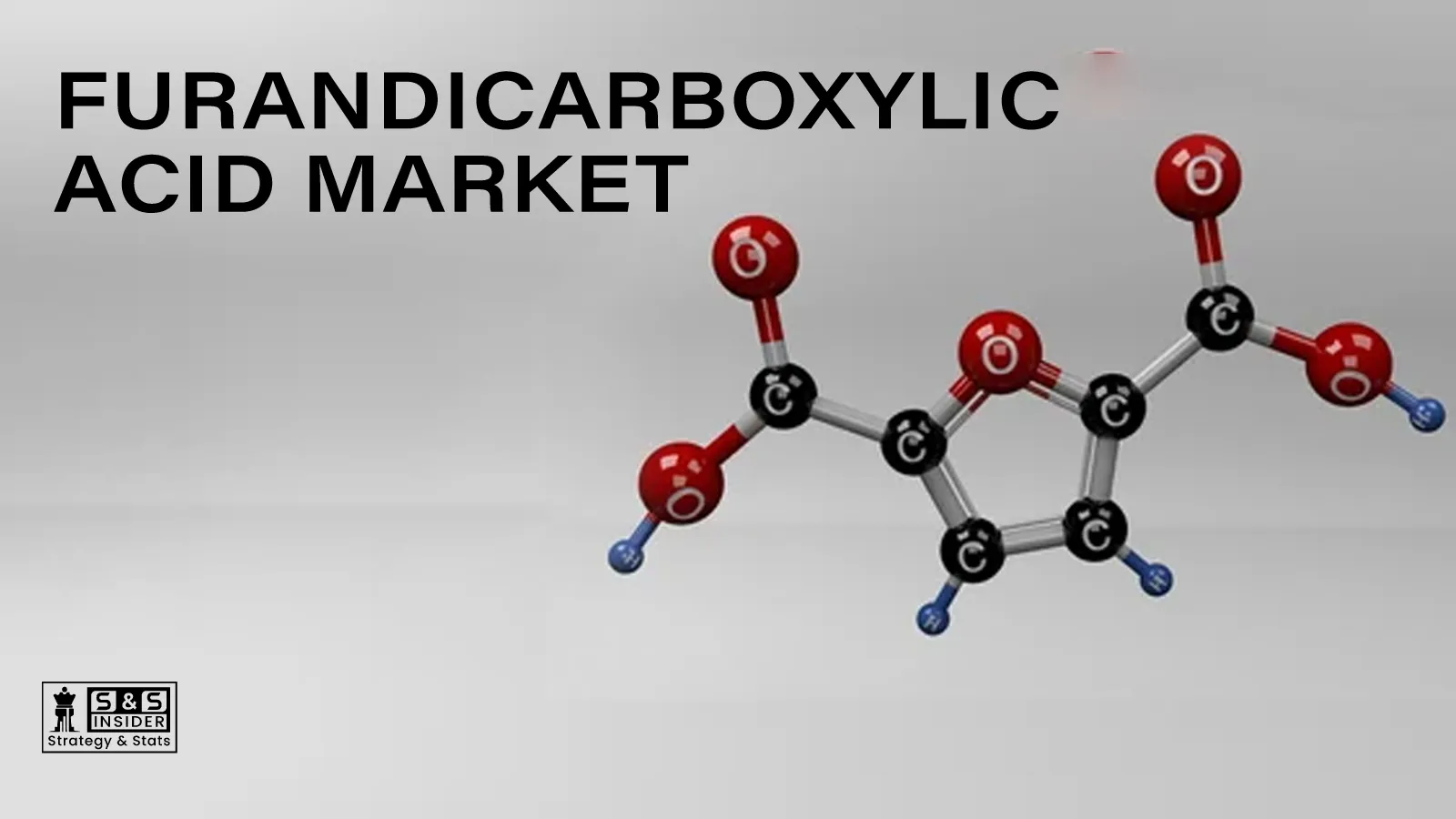
Why Europe Leads the FDCA Market
Well-supported regulatory policies promoting circular economy initiatives and reduced use of fossil-based plastics across Europe back the region's leadership. The region is relentless in pushing manufacturers to utilize renewable raw materials as well as bio-based polymers across the packaging, automotive and consumer goods sectors.
New growth opportunities are emerging with rising investment in sustainable packaging, ongoing research on bio-based chemicals and increasing commercial production of PEF. Chemical manufacture in Europe has a strong ecosystem already in place, which delivers ongoing innovations to address carbon emissions along industrial value chains.
Top 5 Leading Furandicarboxylic Acid (FDCA) Companies
Avantium N.V.
One of the first FDCA and PEF technology pioneers at the top of development and commercialization of bio-based plastic-based packaging, textiles, and personal consumer products is Netherlands-based Avantium N.V. The company is consistently increasing its production capacity in order to cater the needs for eco-friendly polymer solutions all over the world.
In 2025 overall, Avantium bolstered its capacity to produce FDCA and PEF to specifically compete with packaging manufacturers looking for commercially scalable alternatives to traditional PET. Strong collaborative research and investments in manufacturing help reinforce Europe's leadership in sustainable polymer innovation.
Corbion N.V.
Corbion is a global leader in bio-based chemical and specialty chemicals focused on developing sustainable products for industrial and packaging applications. The company is further broadening its offering of renewable chemicals in support of the transition to low carbon manufacturing.
Corbion, which in 2025 increased its bio-based chemicals output to provide packaging and polymer makers with sustainable feedstock alternatives. It brings expertise in sustainable chemistry to the European bioeconomy.
BASF SE
Germany's BASF SE retains its title of the largest chemical manufacturer in the world, while also investing in sustainable materials and circular economy projects. The research capabilities and global manufacturing network drive advanced polymers and specialty chemicals innovation.
The company is pursuing renewable feedstocks and bio-based material technologies to reduce greenhouse gas emissions while delivering higher volumes of sustainable chemical products, the demand for which in Europe is increasing sharply.
Origin Materials, Inc.

Origin Materials invests into carbon negative materials that serve to displace fossil based resources. The company is still moving Bio-based Chemical Technologies for use in packaging, textiles and industrial markets.
In 2024, Origin Materials developed a sustainable chemical platform to support customers on next-generation FDCA and renewable material solutions. Its technology works in concert with Europe's increased determination to green its manufacturing.
Genomatica, Inc.

Genomatica utilizes fermentation processes to produce biochemical, well above the environmental impact of conventional petrochemical manufacturing. It is the firm is continuing using sustainable options for industrial chemical production.
Genomatica established its proprietary bio-based FDCA production technology in 2025 for supporting chemical manufacturers making a shift to renewable energy. The development prioritizes scalable and environmentally friendly production methods, which aligns with Europe's sustainability objectives.
What Sets These Companies Apart?
Leading FDCA manufacturers continue competing through innovation, sustainability, and advanced production technologies that accelerate the shift toward renewable materials.
- Bio-based polymer innovation – Companies are developing high-performance FDCA for producing PEF, offering a sustainable alternative to petroleum-based PET across packaging and consumer goods.
- Commercial-scale production expansion – Manufacturers are investing in larger production facilities to improve supply reliability and support growing global demand for renewable chemicals.
- Circular economy initiatives – Businesses are aligning their strategies with European sustainability policies by promoting recyclable and low-carbon materials throughout the value chain.
- Advanced biotechnology platforms – Fermentation and bio-based production technologies are improving manufacturing efficiency while reducing greenhouse gas emissions.
- Strategic research collaborations – Partnerships between chemical companies, research institutes, and packaging manufacturers are accelerating product development and commercialization.
- Focus on sustainable packaging – Companies continue developing renewable materials that help food and beverage manufacturers meet increasingly strict environmental regulations.
These innovations are helping manufacturers reduce carbon footprints, improve material sustainability, and accelerate the adoption of bio-based alternatives across multiple industries.
The Future of the FDCA Market in Europe
Europe will remain the global leader in FDCA supply as sustainability regulations, development of bio-based materials, and circular economy measures drive investments. The increasing demand for sustainable packaging, bio-based chemicals, and low-carbon manufacturing will present a growing opportunity for incumbents as well as new innovators.
As Europe continues to ramp up its transition towards a more sustainable chemicals industry, companies that continue to expand their production capacity, invest in next generation biotechnology and produce cost-effective bio-based alternatives will be in an increasingly competitive position.