
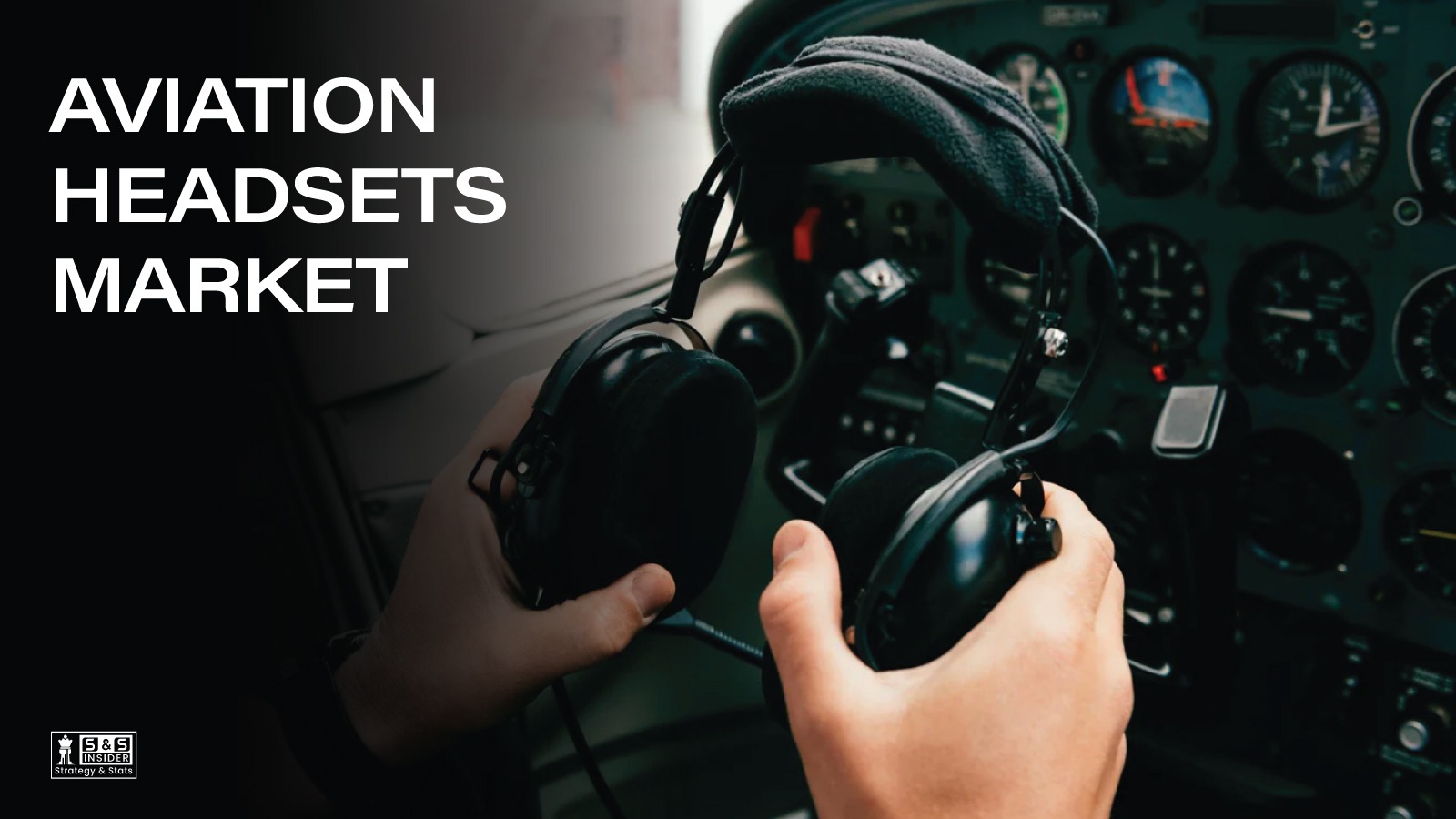
The market for Aviation Headsets is growing consistently due to aviation companies focusing on the well-being of pilots as well as efficient communication in aircrafts. Headsets in aviation ensure that the communication process between pilots, crew, and the air traffic controllers remains efficient despite the high level of noise in the cockpit environment. Due to the increased demand for commercial, business, military, and pilot training aviation across the globe, the market for headsets continues to grow.
Headsets in aviation have come up with many improvements compared to previous headsets because of new technologies such as ANR (Active Noise Reduction), Bluetooth, and Wireless communication technology. Aviation experts are using light headsets with ergonomic designs that enhance their comfort within flight time as well as improving their communication processes.
The Aviation Headsets Market was valued at USD 1.10 Billion in 2025 and is expected to reach USD 2.06 Billion by 2035, growing at a CAGR of 6.51% from 2026–2035.
Key Players:
The leading companies operating in the Aviation Headsets Market include Bose Corporation, David Clark Company, and Lightspeed Aviation Inc.
Strategic Developments & Industry Innovations:
-
The use of Active Noise Reduction (ANR) technologies is being made as a common feature among expensive aviation headsets, which helps in reducing cockpit noise and pilot fatigue while flying.
-
Bluetooth enabled and connected aviation headsets that facilitate better communication along with integrating easily with cockpit systems, phones, and other aviation applications.
-
Improvement in battery performance, wireless connectivity and ergonomic design of headsets.
Leading Companies in the Global Aviation Headsets Industry
Bose Corporation: Advancing Active Noise Reduction Technology for Aviation
 The Bose Corporation is a pioneer when it comes to innovation in high-end aviation headset technology. It designs innovative communications systems using Active Noise Reduction technology that enhances the quality of communication as well as minimizes the pilot’s fatigue. The aviation headsets produced by Bose are widely used in commercial, business, and general aviation due to the importance of comfort, audio quality, and reliability. Currently, the company has been improving its portfolio of aviation headsets through innovations related to wireless communications, lightness, and noise management technologies.
David Clark Company: Delivering Durable and Reliable Aviation Communication Solutions
 The David Clark Company is a reputable producer of reliable aviation headset communication devices.The David Clark headsets are widely used for commercial, military, helicopter, and pilot training purposes. These headsets have gained popularity because of their sturdy construction and good communication system. The recent efforts of the company have been towards making these headsets comfortable and compatible with cockpit communication systems.
Lightspeed Aviation Inc.: Enhancing Pilot Experience Through Innovative Headset Design
 Lightspeed Aviation is an organization that produces state-of-the-art aviation headsets that aim at enhancing comfort, communication, and efficiency among pilots. The manufacturer utilizes Noise Monitoring Devices, Bluetooth, and ergonomic design to produce their aviation headsets. User-oriented innovations have seen this company become established in the world of general aviation and business aviation. In recent years, the company has grown in its abilities to produce aviation headsets using innovative wireless communication technology and better sound performance features.
Data-Backed Trends Guiding Future Business Opportunities:
The first important trend influencing the development of the aviation headsets market is the introduction of Active Noise Reduction technology. Unlike passive noise cancellation options, which were used before, ANR headsets decrease pilot's noise exposure, providing better communication during flights and thus reducing the level of pilot's fatigue when performing long distance missions. As a result, the demand for high-quality headsets grows in both commercial and private aviation segments.
The second important trend concerns the incorporation of Bluetooth connection and digital communication technologies. Today more and more pilots are starting to use headsets with the possibility to connect with an electronic flight bag or smartphone. Such features increase the comfort and effectiveness of pilot's work during flights.
Finally, there is a steady progress in developing more ergonomic and effective headset designs, characterized by good performance in wireless communication and increased energy efficiency.
The Future of Aviation Communication Powered by Smart Headset Innovation:
There will be steady growth in the Aviation Headsets Market because there is a growing focus by aviation companies on the safety of pilots, effective communication, and efficiency of operation. The trend in increased adoption of new technologies and connected aviation software is projected to drive growth in the market going forward.
Advances in technologies in the realms of active noise reduction, wireless communication capabilities, integration with digital technology, and improvements in the design of headsets are changing the future face of aviation communications. Companies like Bose Corporation, David Clark Company, and Lightspeed Aviation Inc. are driving technological change in audio quality, comfort, and aviation safety.
With continued investment by aviation companies in improved communication and improved support systems for pilots, aviation headsets will continue to be an important part of aviation operations around the world.



