
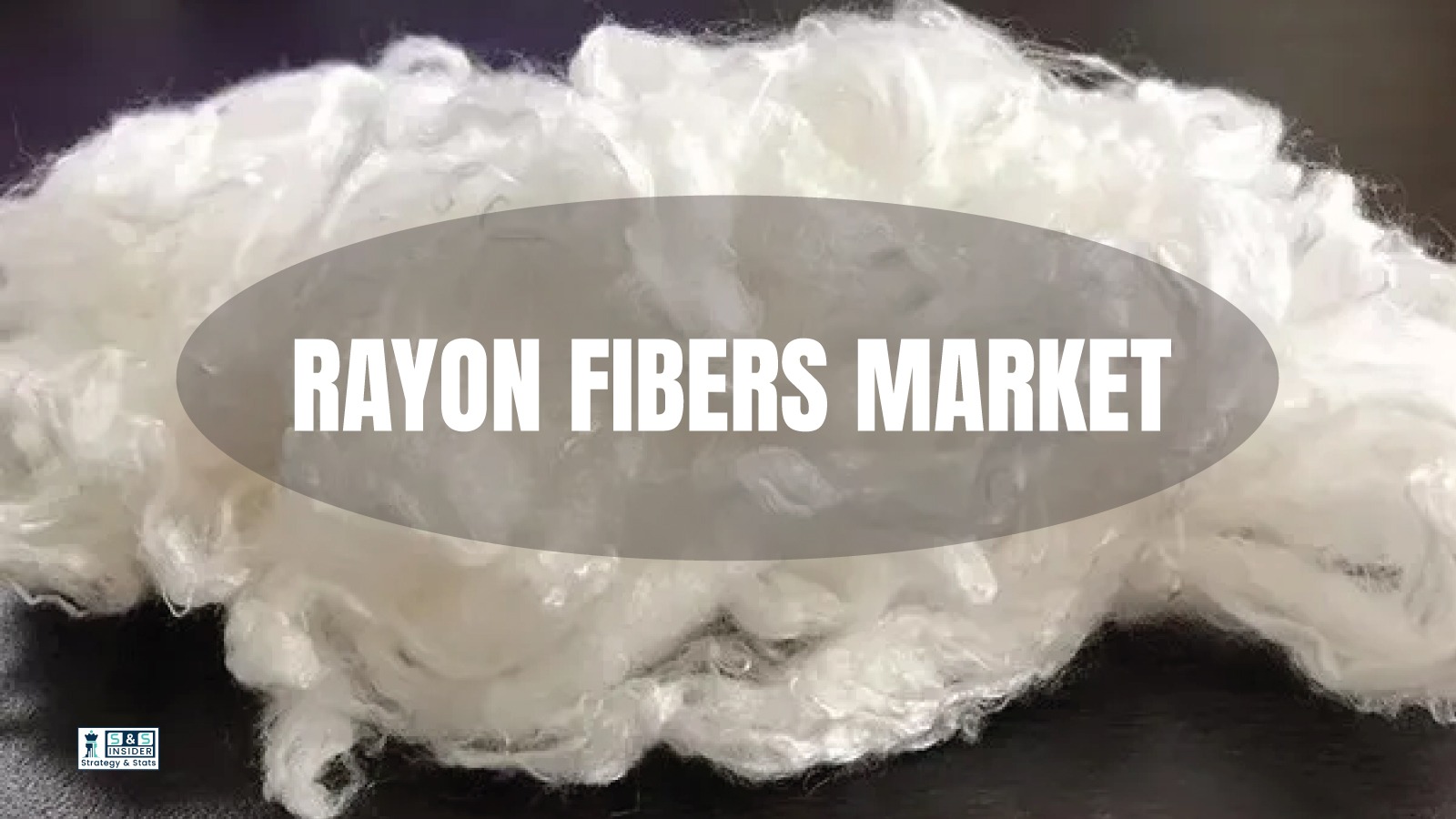
Increasing consumption of rayon fibers for providing comfort, breathability, biodegradability and versatility is a key factor augmenting the growth in global textile and apparel market. Due to their eco-friendly properties and comfort-oriented performance, these regenerated cellulose fibers are widely used across applications like fashion apparel, home textiles, hygiene products (feminine care pads/protectors), medical non-woven fabrics among others. Rising consumer inclination toward eco-friendly and biodegradable textile materials, paired with the increasing demand for premium quality hypo-allergic fabrics is boosting global shift towards rayon-based products. Rayon fibres are still one of the most widely used staple fibres, especially in industries where sustainable and circular textile production is a main concern.
According to the SNS Insider report the value of the Global Rayon Fibers Market stood at USD 21.57 Billion in 2025 and is predicted to hit USD 46.36 Billion by 2035. This translates into an 8.09% CAGR during 2026-2035. Market growth is fuelled by high demands for eco-friendly fabrics, the usage of regenerated cellulose fibers, such as viscose, modal, and lyocell, and increased applications in the clothing industry, household textiles, hygiene products, and healthcare sector.
Top Industry Leaders in Sustainable Rayon Fiber Manufacturing
1. Lenzing AG
 Lenzing AG is one of the world’s largest sustainable producers of rayon and cellulose fibers and is known for their TENCEL™ lyocell and modal fibers. The company places much emphasis on sustainable production techniques such as closed-loop production methods and sustainable sources of pulp. As Lenzing continues to invest in innovative eco-fiber technology, its global leadership position in sustainable textile products has been reinforced.
2. Aditya Birla Group
 Birla Cellulose, the pulp and fibre division of Aditya Birla Group is a global leading producer for viscose staple fiber & specialty cellulose products. The firm focuses on sustainability, circular economy initiatives and low-emission manufacturing technologies. Strong global supply chain and strategic partnerships with apparel manufacturers is encouraging mass-scale utilization of its sustainable rayon fibers globally.
3. Sateri Holdings Limited
 Sateri Holdings Limited, part of the Royal Golden Eagle (RGE) group, is one of the world’s leading producers of viscose rayon fibers with a strong emphasis on sustainable manufacturing practices and environmental compliance. The company has made significant investments in closed-loop chemical recovery systems and advanced production technologies designed to reduce environmental impact while improving operational efficiency. Its expanding production capacity continues to support the growing demand from textile manufacturers across global markets.
4. Asia Pacific Rayon
 Asia Pacific Rayon, part of the Royal Golden Eagle (RGE) group, is one of the leading producers of viscose rayon fiber in Asia with a strong focus on sustainable and integrated manufacturing practices. The company emphasizes responsible sourcing of renewable raw materials, efficient fiber production technologies, and collaboration with downstream textile manufacturers to strengthen the regional textile value chain. Its expanding operational footprint across Southeast Asia has enhanced production capabilities, supply chain efficiency, and its ability to meet the growing global demand for sustainable textile fibers.
5. Kelheim Fibres GmbH
 Kelheim Fibres GmbH is a leading supplier of high-value and functional specialty viscose fibers for hygiene, medical, filtration and technical textile applications. The company has pioneered innovations in such areas as biodegradable and customized fiber solutions that comply with changing sustainability demands and regulatory requirements. An authority in specialty fiber engineering positioned it into an influential player position in the premium rayon fiber industry
6. Bracell
 The firm Bracell specializes in the manufacture of high-quality dissolving pulp and sustainable raw materials of cellulose origin to produce viscose and lyocell fibers. It is dedicated to responsible forestry, sustainable pulp production, and advanced technologies in fiber making. Large production capacities of the company allow it to successfully address increasing global demand for rayon fibers.
7. Tangshan Sanyou Group Xingda Chemical Fibre Co. Ltd.
 The Tangshan Sanyou Group Xingda Chemical Fibre Co. Ltd. is one of the leading producers of viscose staple fibers in China. Sustainable production is the main feature of this company, and special attention is paid to developing production capacity and enhancing quality to meet rising global demand of viscose fibers.
How Rayon Fiber Technology Is Transforming Sustainable Textiles?
The leading importance of rayon fibers in the world textile industry provides their combination for comfort, versatility and sustainability. Due to their softness, moisture absorption, breathability and biodegradability they are used commonly in appareland home furnishing fabrics hygiene products as well technical textiles. They are also highly suited to larger scale commercial textile manufacture due their compatibility with cotton, polyester and blended systems.
Technological advances are enhancing the production of rayon fibers with new and innovative d ope-spinning processes that employ closed-loop processing systems, sustainable pulp sourcing technologies (with non-invasive methods), low-emission chemical recovery technologies, as well circular opportunities for textile recycling. These innovations are aiding manufacturers in lowering their environmental footprint as well cultivating better fibres for the marketplace by achieving production efficiencies. Growing emphasis on sustainable sourcing and environmentally friendly production practices among global apparel brands and textile manufacturers is estimated to garner a steady market demand towards rayon fibers. With efforts to invest further in sustainable textile technologies and eco-certified fiber production, rayon fibers are positioned at the forefront of global sustainability-driven fashion and textiles development.



