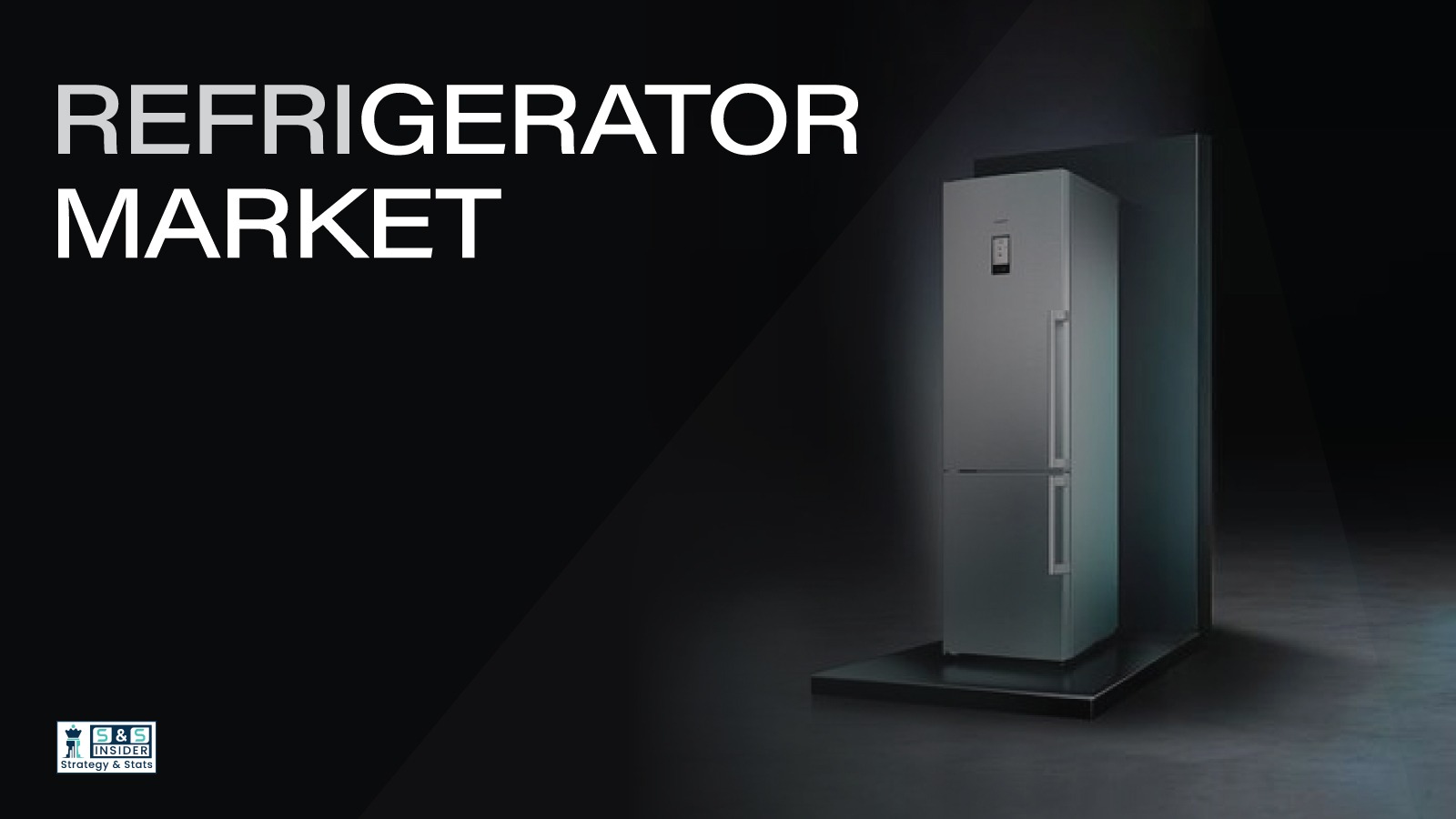
The Refrigerator Market is experiencing significant growth as consumers demand advanced energy efficiency, connectivity, and environment sustainability of cooling appliances. Rapid development in inverter technology, smart technology refrigerators, IoT-based monitoring systems, frostless technology, and green refrigerants is changing residential and commercial refrigeration systems globally. New models such as top-freezer, bottom-freezer, side-by-side, French door, mini, and built-in refrigerators include intelligent storage management, integration with voice assistants, antibacterial functionality, and efficient energy management solutions.
Global Refrigerator Market size was USD 95.47 billion in 2025 and expected to reach USD 180.01 billion by 2035 growing at a compound annual growth rate of 6.61% during 2026 to 2035. Growth will be fueled by urbanization, higher disposable income, increased adoption of smart and energy-efficient appliances, and supportive initiatives of the government in favor of sustainable refrigeration technology.
Key Players:
The key players in the market for Refrigerators include Haier, Samsung, LG, Whirlpool, Electrolux, Bosch, Panasonic, Hisense, Midea, Sharp Corporation, GE Appliances, Siemens, Hitachi, Toshiba, Vestel, Arçelik, Daewoo, Gorenje, Liebherr, and Smeg.
Strategic Developments & Industry Innovations:
Haier in 2026 introduced a range of smart refrigerators called 'Lumière French Door Smart Refrigerator' with features such as Wi-Fi connectivity, motion sensing, AI-controlled compartment conversion, and bacteria-free sterilization technology intended for premium consumers in Asia and Europe.
Samsung introduced in 2026 its latest model of 'Bespoke AI Refrigerator Family Hub' at CES equipped with Google Gemini AI for food recognition, inventory tracking, SmartThings AI energy mode, and flexible smart storage technology.
LG in 2026 presented its 'Essential Series' refrigerators with Smart Inverter Compressor, Turbo Fresh Zone, and AI ThinQ Wi-Fi along with extending its 'Make-In-India' refrigerator production program into an export market strategy.
Whirlpool in 2026 launched new models of French Door and Counter-Depth refrigerators featuring nugget ice making technology, inverter cooling technology, built-in camera technology, and premium fresh food protection technology under Whirlpool, KitchenAid, and JennAir brands.
Top Manufacturers Driving Innovation in the Refrigerator Industry:
1. Samsung: Advancing AI-Powered Smart Refrigeration Solutions
Samsung offers a wide variety of fridges including Bespoke AI French Door Refrigerators, Side-by-Side Refrigerators, Family Hub Refrigerators, top-freezer refrigerators, and in-built refrigerator systems using SmartThings & AI food management solution. Samsung is very keen to innovate in the field of AI Kitchen ecosystem, inverter compressor, voice assistant, and energy-efficient technologies for use in modern homes.
As such, in 2026, Samsung introduced a new line of Bespoke AI Family Hub Refrigerators using AI Vision powered by Google Gemini, food recognition technology, widgets, and improved Bixby voice assistant technology.
2. LG: Expanding Smart Inverter and Hygiene-Focused Refrigeration Systems

LG Refrigerator offers a vast range of products including InstaView Door-in-Door refrigerators, French Door refrigerators, Side-by-Side refrigerators, bottom freezers, and smart inverter cooling technology aimed at serving the residential and premium kitchen requirements. The company leverages the features of AI ThinQ connectivity, Hygiene Fresh+ purification, and energy-saving smart compressor technology in its products.
For instance, during 2026, LG added new refrigerators within the Essentials series category that includes features such as Smart Inverter Compressor, Convertible Dairy Mode, Turbo Fresh Zone, and AI ThinQ Wi-Fi capabilities. Moreover, the company reinforced its premium product line by adding more InstaView and French Door refrigerators.
3. Haier: Driving Smart and Sustainable Refrigerator Innovation

The company has several types of refrigerators such as Lumière 4-Door refrigerators, side by side refrigerators, bottom mount refrigerators, convert cooling systems, and smart inverter refrigerators for premium buyers. Haier has been concentrating on providing fashionable designs along with efficient cooling capacity and antibacterial facilities to match today’s urban lifestyle.
In 2026, Haier launched Lumière Colorful 4-door refrigerator series in premium stainless-steel design, intelligent cooling system, humidity control, and energy-efficient inverter system intended for premium buyers in Asia and Europe.
Future Outlook of the Refrigerator Market:
In terms of its future, The Refrigerator Market would see considerable growth for the reasons that include growing demand for more energy-efficient refrigerators, adoption of smart homes, urbanization, and consumer inclination towards sustainable cooling solutions. Ongoing innovations in inverter compressors, artificial intelligence-based cooling technology, low global warming potential refrigerant technologies, IoT connectivity, modularity in storage system designs, and energy efficiency would help define the future of refrigerator design and development worldwide.
The companies such as Samsung, LG, Haier, and Whirlpool would continue innovating in such areas as smart cooling platform, AI-based food management solutions, high-end appliance designs, and sustainable cooling technologies. Considering ongoing implementation of energy-efficiency standards by governments and increasing demand for connected and eco-friendly appliances from consumers, advanced refrigerators would play an important role in defining smart and sustainable homes of the future.