The residential security system is undergoing tremendous transformations owing to the increased usage of smart homes technology. Smart doorbells are one of the fastest growing categories of interconnected devices all around the world because of the integration of such components as cameras with HD technology, motion detectors, two-way speakers, and control from smartphones. Stolen packages and unauthorized accesses are just some of the cases that prompt households and enterprises to choose smart doorbells that ensure convenience and safety at the same time.
The rapid uptake of the use of smart doorbells has been caused by advances in AI, cloud computing, and IoT technologies. Some of the features of modern smart doorbells include human recognition, facial recognition, video recording from the cloud, night vision feature, voice control using devices such as Amazon Alexa and Google Assistant among others. Demand for battery-powered smart doorbells is increasing.
As per a report by SNS Insider, the market size of the Smart Doorbell Market in 2025 was USD 5.57 billion and will grow up to USD 23.99 billion in 2035, expanding at a CAGR of 15.73% CAGR during 2026-2035.
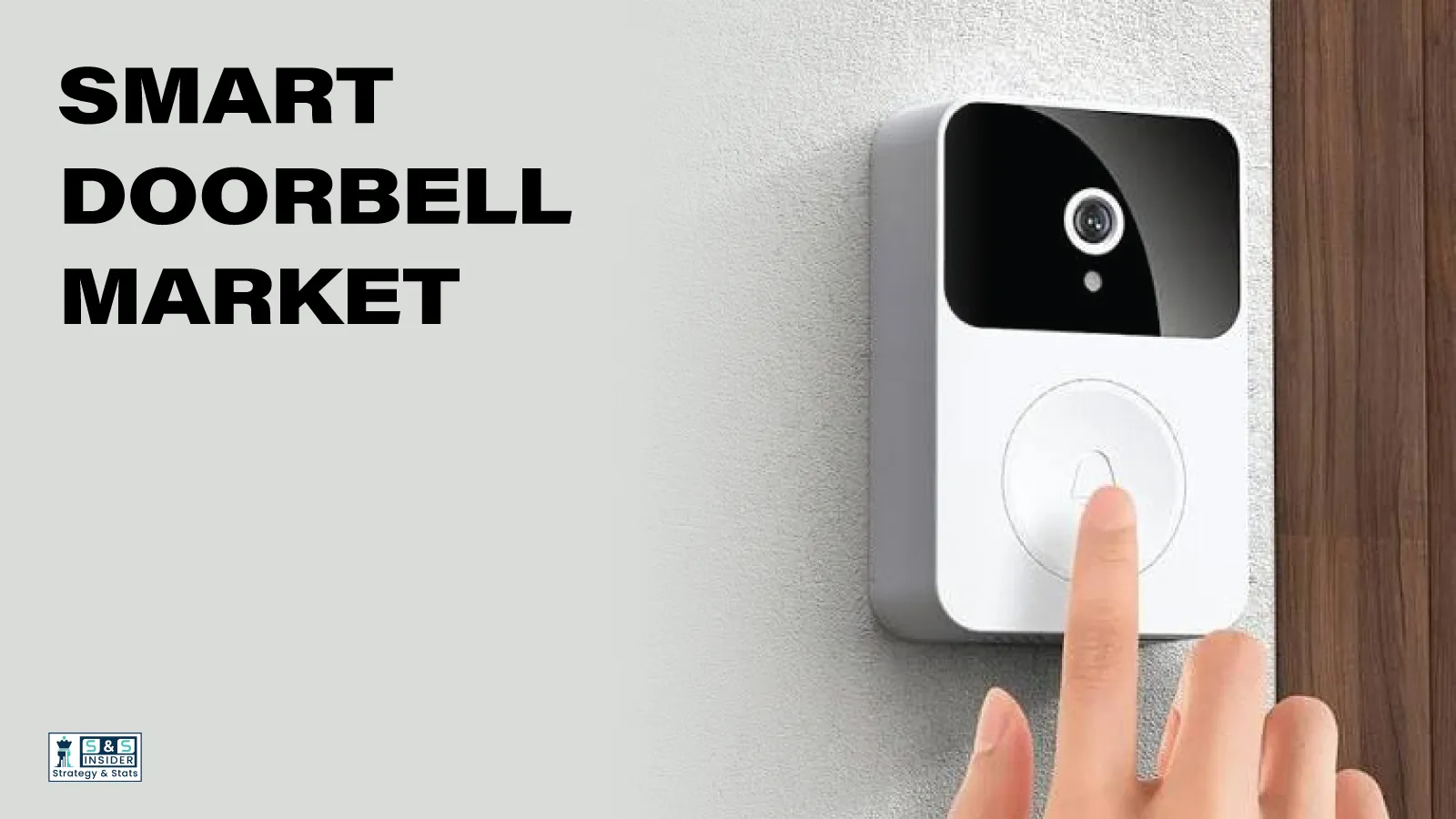
Listed below are six leading companies shaping the global smart doorbell industry.
1. Amazon (Ring)
 Amazon Ring is among the most well-known brand names associated with home security systems. The company produces wired and wireless smart doorbells with HD video, motion sensing, night vision, and two-way audio features. The company continues working on enhancing the capabilities of its ecosystem by including Alexa integration, cloud storage, AI notifications, and interoperability with various home security systems. Continuous innovations implemented by the firm allowed it to maintain the leading position on the global market.
2. Google (Nest)

Google Nest uses both software and hardware solutions in order to provide its customers with more sophisticated smart doorbells. In particular, these products possess HD video recording, facial recognition, package delivery detection, and easy integration into the Google Home ecosystem. Google Nest uses its artificial intelligence expertise to improve notifications and visitor recognition technology.
3. Arlo Technologies, Inc.

Arlo is known for wireless security devices with high-definition video, wide angle views, enhanced motion detection via AI and crisp two-way audio capabilities. Their smart doorbells can be used by households as well as by small businesses. The firm keeps spending money on cloud security services, subscriptions and AI-driven analytics to increase user experience and enhance security performance.
4. Vivint Smart Home, Inc.
 Vivint offers an entire home security system including smart doorbells, cameras, smart locks, sensors, and home automation devices. Users can monitor visitors and remotely control access with real time alerts. Vivint has secured itself a position as a reliable provider of home security and home automation solutions with professional monitoring services.
5. Eufy Security (Anker Innovations)

Eufy Security gained popularity due to the presence of affordable and full-featured smart doorbells which do not require any obligatory monthly subscriptions. Eufy devices are equipped with artificial intelligence human detection technology, high-quality cameras, local data storage, and high battery life. The combination of low cost, need for privacy, and convenience explains why Eufy Security became such a desirable product for consumers who want to buy smart doorbells without any monthly subscriptions.
6. Bosch Security Systems
 Bosch Security Systems is known to be a producer of surveillance and security products. The company offers high quality smart doorbells that concentrate on durability, video analytics, cybersecurity and implementation into smart security systems. Leveraging its extensive experience in creating security infrastructure, Bosch Security Systems keeps inventing new things for the household and industry.
Key Trends Shaping the Future of Smart Doorbells
Artificial intelligence has been changing smart doorbells with the help of facial recognition, intelligent motion sensors, package detection and personalized notifications. The revenue streams for the companies from cloud storage and subscriptions services are on the rise and will further enhance access to recordings.
The wireless connectivity, extended battery life, improved apps for smartphones, voice assistant integration and advanced features such as higher resolution cameras, wide-angle lenses, and color night vision are enabling the wider adoption of this technology. North America is the biggest region currently whereas the fastest growth is likely to come from Asia Pacific.
Future Opportunities for the Smart Doorbell Market Expansion:
Smart doorbells will undoubtedly be developing rapidly into security systems that integrate AI, cloud capabilities, and home automation technology. As consumer interest in convenience and proactive home security continues to grow, the manufacturers will continue their investments in analytics, cyber security, and system integration capabilities.
For manufacturers who manage to find the right balance between innovation, affordability, privacy concerns, and smart home compatibility, there will still be plenty of opportunities ahead in this sphere. In light of the growing popularity of the smart home concept, smart doorbells should become an integral part of the future security landscape.