
The global trocars industry is growing steadily as hospitals and surgical centers rethink how they plan and pay for operating room work. Shorter patient stays, faster room turnover, and tighter control of infection costs now shape purchasing decisions. Every abdominal access point matters to procedure efficiency and patient outcomes. As a result, trocars have moved from low-priority consumables to products that directly affect surgical economics.
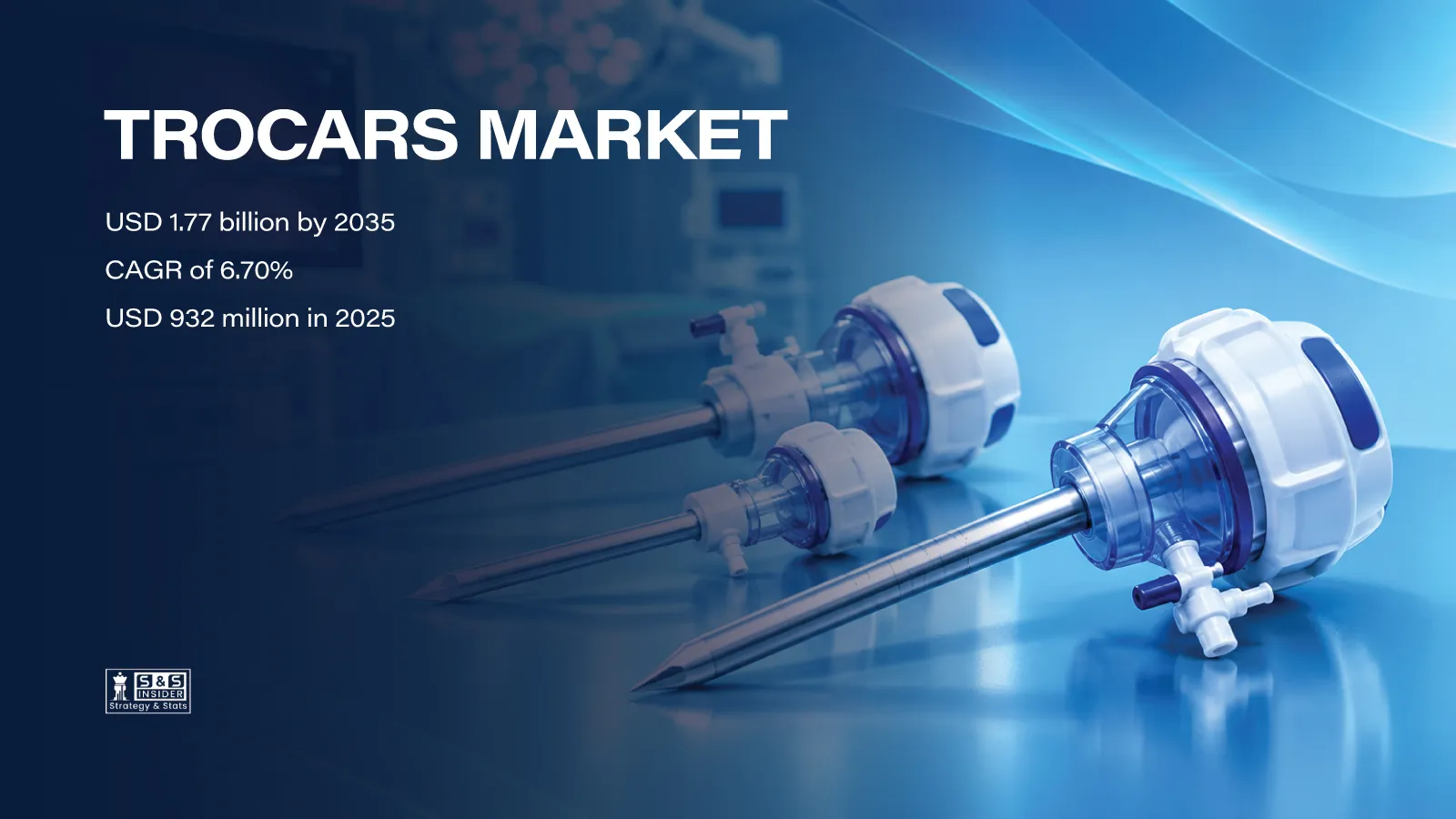
According to a recent study by SNS Insider, the global Trocars Market size was valued at USD 0.93 Billion in 2025 and is anticipated to reach USD 1.77 Billion by 2035, registering a CAGR of 6.70% over the forecast period 2026–2035. The market is estimated at USD 0.99 Billion in 2026.
Operating Room Efficiency Is Turning Access Devices into a Cost Lever
Operating room time is among the most expensive resources in a hospital. Delays at the start of a procedure, such as difficult port placement or loss of insufflation, add minutes that raise the cost of each case. Access devices that work reliably the first time help protect daily surgical schedules.
Hospital administrators increasingly look at trocars through the lens of total procedure cost rather than unit price. Fewer access-related complications also mean fewer readmissions, shorter recovery, and lower liability exposure.
Suppliers that can link their products to measurable time savings and lower complication rates are in a stronger position during contract talks with hospital groups and purchasing networks.
To Get Detailed Insights on the Trocars Market – Request a Sample Report
Outpatient Surgery Shift Opens New Buyer Segments
More laparoscopic procedures are moving from inpatient hospital settings to outpatient centers. These facilities run high case volumes with lean staff, and they need devices that are simple to set up, easy to stock, and predictable in cost.
This creates room for procedure-specific kits, bundled access sets, and supply agreements tailored to smaller facilities. Suppliers can also support these buyers with inventory planning and staff training services.
Long-term supply contracts, kit customization, and usage-based pricing can generate steady recurring revenue and strengthen ties with fast-growing outpatient networks.
Trocars Market Segmentation Highlights
By Product
The market for disposable trocars had the highest market share of 62.86% in 2025 because of high demands for disposable products that reduce chances of cross-contamination. It presents an opportunity for manufacturers who can provide quality goods with competitive cost per case.
By Type
Bladeless trocars accounted for 45.32% of the market in 2025, as surgeons prefer entry methods that reduce tissue trauma. Optical trocars are gaining ground, opening opportunities for suppliers that offer visual-guided entry for complex and higher-risk patients.
By Application
General surgery accounted for the largest share of the market in 2025 and is also expected to grow fastest. This is supported by opportunities in high-volume procedures such as cholecystectomy, hernia repair, and colorectal surgery.
By End User
Revenue contribution from hospitals was highest in 2025. The fastest-growing market will be ambulatory surgical centers, with prospects for kit-based supplies, cost-contained contracts, and same-day surgery programs.
North America Leads the Market as Asia Pacific Advances at 7.79% CAGR
North America is the leader in the Trocars Market in 2025 where the United States holds almost 90% of total revenue from the region. The U.S. market is expected to record a value of USD 182.49 Million in 2025 and a CAGR of 6.98%. The region has tremendous opportunities for manufacturers serving big hospital networks, group purchasing organization customers, and robotic surgery programs. The purchase drivers for buyers in the region include clinical proof and supply.
Asia Pacific is projected to record the fastest CAGR of 7.79% over 2026–2035, with China accounting for about 42% of regional revenue. New hospital construction, growing surgical training capacity, and rising access to laparoscopic care are creating demand for affordable devices, local distribution, and surgeon education programs.
Germany leads in the European market at roughly 26% market share. Saudi Arabia leads the Middle East & Africa at roughly 38%, and Brazil leads the Latin American market with 50%. The success here will be dependent on health care budgets, tender process, and growth in capacity to perform surgery.
Robotic Surgery Compatibility Could Unlock New Commercial Opportunities
The spread of robotic surgery platforms is creating demand for access devices that fit specific robotic systems and port configurations. Hospitals that invest in robotic programs need a steady supply of compatible instruments for every case.
Manufacturers can expand their reach by working with robotic system makers, surgical training centers, and hospital robotics programs. Early alignment with new platforms can secure long-term placement in high-value procedures.
These models can also support recurring revenue through procedure-based supply agreements, clinical training, and product upgrades.
Competitive Outlook: Clinical Value to Become a Key Differentiator
Future competition in the trocars industry is likely to depend on more than price and product range. Buyers increasingly want devices backed by clinical data, consistent performance, and dependable supply.
Suppliers that combine safe entry designs with strong surgeon support, flexible contracts, and broad procedure coverage may hold a stronger position. Partnerships with hospital networks, outpatient chains, and distributors can also help expand commercial reach.
Trocars Market Outlook Through 2035
Over the next decade, trocars will have a growing importance when it comes to managing costs, avoiding infections, and increasing outpatient surgeries. The companies which manage to demonstrate improvement in terms of procedure efficiency, patient safety, and operating room efficiency will have the best chances of benefiting from the growing demand.
About the Author

Get in touch




