
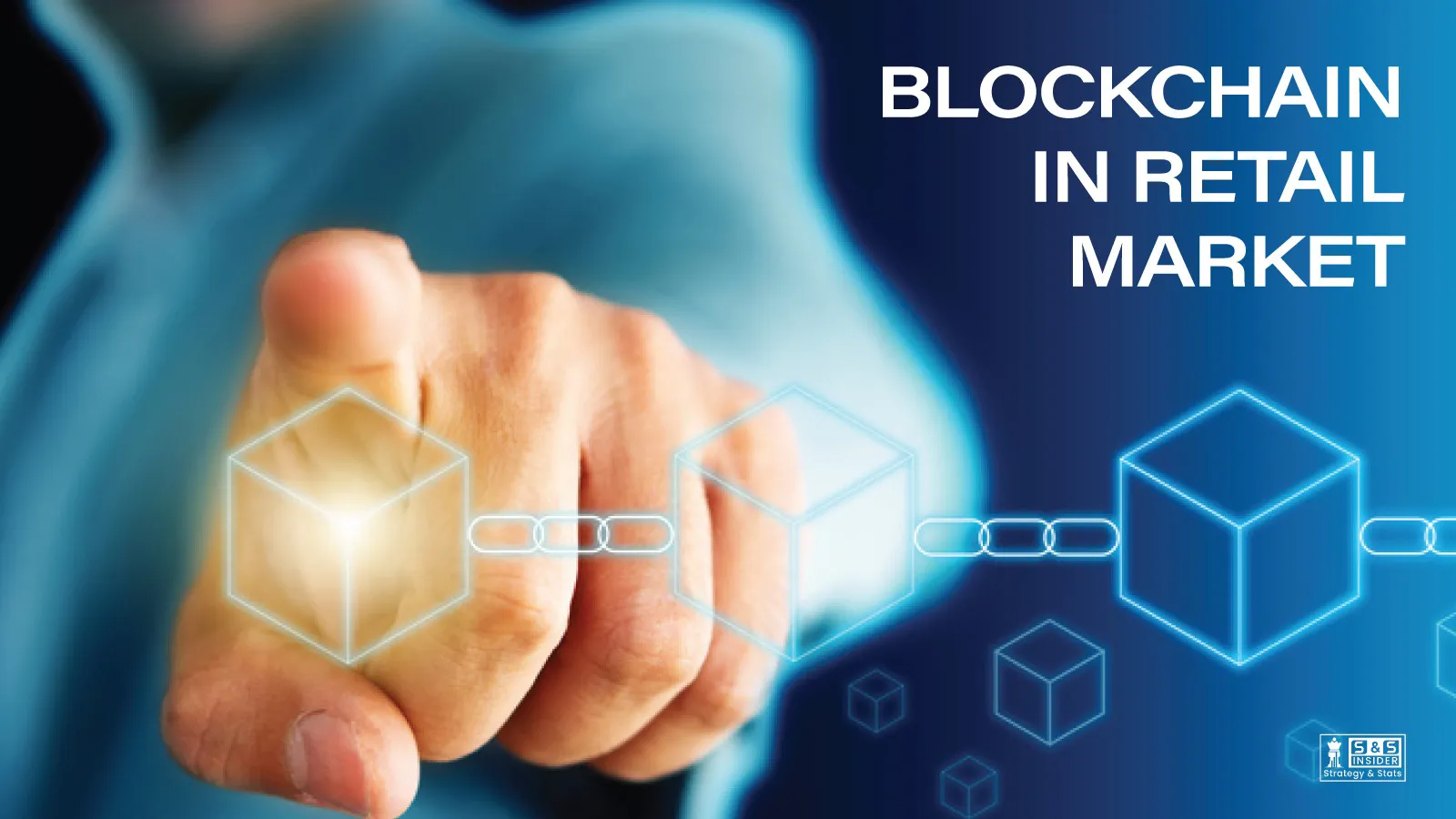
The Blockchain in Retail Market is experiencing rapid growth as retailers are increasingly using distributed ledger technologies to boost supply chain transparency, improve product traceability, reduce fraud and increase customer trust. Increased regulations on the traceability of foods and pharmaceuticals, rising demand for verification of authenticity, increased use of blockchain-powered loyalty programs, and increased digital commerce ecosystems are fueling market growth globally. Technologies like consortium blockchain networks, smart contracts, NFT-based authenticity certificates, cloud-enabled blockchain technology, and blockchain-based supply chain management solutions are helping retailers achieve operational efficiency as well as enhanced transparency and security in global supply chains.
The value of the global Blockchain in Retail Market stood at USD 0.50 Billion in 2025 and is expected to grow to USD 18.86 Billion by 2035, growing at a CAGR of 43.77% during the forecast period of 2026–2035. The factors driving the growth of the market include increasing regulatory mandates, increased need for transparency of source information, increased enterprise blockchain adoption, and increased use of blockchain functionalities in retail software solutions. Also, there are increased opportunities due to regulations on food safety, pharmaceutical serialization, and digital product passports.
Key Players:
Some of the major companies operating in the Blockchain in Retail Market are IBM Corporation, Oracle Corporation, SAP SE, Amazon Web Services Inc., Microsoft Corporation, Hyperledger Foundation, Accenture PLC, VeChain Foundation, TraceLink Inc., and others.
Strategic Developments & Industry Innovations
-
Oracle Corporation unveiled the Oracle Retail Blockchain Module in February 2025 with built-in compatibility in Oracle Fusion Cloud, which enables retailers to securely track their products right from origin to shelves as well as minimize any potential risk of fraud related to gift cards, returns, and supply chain transactions.
-
SAP SE released SAP Business Network for Retail in April 2025 with features like blockchain integration that enables secure data sharing of multi-party product lifecycle in the enterprise retail operations.
-
IBM Corporation extended its Food Trust blockchain network into more types of food products and international markets in 2024 to increase the capability of production-level traceability of foods among food retailers, suppliers, and food processors.
The Following Are the Leading Companies in the Global Blockchain in Retail Industry:
1. IBM Corporation: Leading Blockchain-Powered Food Traceability and Supply Chain Transparency
IBM has emerged as one of the most prominent players in the world of retail blockchain through its Food Trust system that allows for full visibility into the supply chain process from food manufacturing and processing through logistics and distribution channels within the retail sector.
Through collaboration with leading retail companies and manufacturers, IBM has shown the effectiveness of the blockchain technology on the enterprise level with the drastic decrease in traceability time and enhanced capabilities of risk management. IBM keeps innovating in the field of blockchain through the creation of secure and scalable industry-specific solutions.
2. Oracle Corporation: Driving Enterprise Blockchain Integration for Modern Retail Operations
Oracle is pushing towards the wider use of blockchains by including blockchain features right in its cloud-enabled software for retail and business operations. Oracle Retail Blockchain Module allows companies to utilize such blockchain features as product tracking, fraud detection, and transparency of supply chains without using any blockchain-specific hardware or development knowledge.
With the integration of blockchain features into the standard process of retail business operations, Oracle helps companies make implementation easier and less complex. In this way, Oracle continues to position itself as an innovator of digital retail.
3. SAP SE: Advancing Connected Retail Ecosystems Through Blockchain-Enabled Networks
Blockchain technology is widely used by SAP for the implementation of blockchain technology in enterprise business networks and retail management systems. The implementation of SAP Business Network for Retail allows manufacturers, suppliers, logistic operators, and retailers to collaborate securely in a trusted environment of data exchange.
The use of blockchain technology helps to increase the transparency of the product lifecycle, facilitates supply chain coordination, and contributes to the implementation of regulation compliance initiatives in global retail. SAP has an extensive portfolio of enterprise customers and a robust digital ecosystem and, therefore, acts as a prominent enabler of blockchain implementation in the retail industry.
Future Outlook of the Global Blockchain in Retail Market:
It is expected that Blockchain in the Retail Market would experience significant growth due to increasing focus on transparency, traceability, fraud prevention, and regulation compliance among retailers. The introduction of new use cases like tokenized loyalty programs, authenticity certificate based on NFTs, digital product passports, and AI blockchain analytics would keep adding value for blockchain in retail.
Some of the companies that are spearheading the transformation within the industry are IBM Corporation, Oracle Corporation, and SAP SE. As the need for product traceability and trusted information grows among consumers and as a result of regulatory needs and innovations in digital retail, the role of blockchain technology in the next generation retail ecosystems would be increasingly more prominent.



