
Next-Generation Incretin Therapeutics Market Report Scope and Overview:
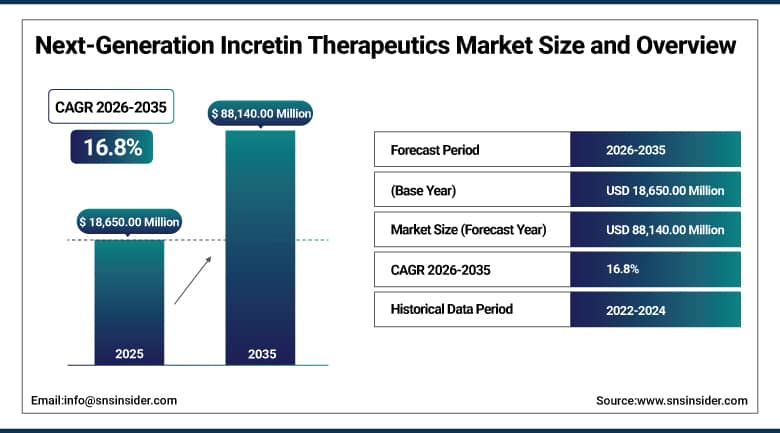
The Next-Generation Incretin Therapeutics Market was valued at USD 18,650.00 Million in 2025 and is projected to reach USD 88,140.00 Million by 2035, registering a CAGR of 16.8% from 2026 to 2035.
The Next-Generation Incretin Therapeutics Market is revolutionizing the treatment of metabolic disorders by evolving from the first generation, one mechanism GLP-1 agonists to next generations which have multiple mechanisms of actions including GIP, GLP-1, glucagon and amylin receptors activities for optimal weight loss and glucose regulation. The market is marked by accelerated pipeline growth of oral, non-peptide forms of GLP-1, high levels of competition amongst the multinational drug companies and innovative biotech organizations, and growing evidence for cardiometabolic and cardiovascular outcomes for the use of drugs. There is considerable growth being seen in once daily oral drugs, once monthly injectables and combination drugs aimed at retaining lean body mass.
In 2025, Novo Nordisk continued advancing Phase III clinical development of amycretin, its investigational dual GLP-1 and amylin receptor agonist, following Phase II results showing substantial weight loss alongside meaningful HbA1c reductions in patients with type 2 diabetes across both oral and injectable formulations.
To Get More Information On Next-Generation Incretin Therapeutics Market - Request Free Sample Report
Next-Generation Incretin Therapeutics Market Trends
-
Rising development of oral, non-peptide GLP-1 receptor agonists continues expanding patient access beyond injectable-only treatment options.
-
Growing pipeline activity around dual and triple-pathway molecules continues pushing efficacy benchmarks beyond first-generation single-agonist therapies.
-
Expanding cardiometabolic and cardiovascular outcome data continues broadening prescriber confidence and treatment guideline recommendations.
-
Increasing pharmaceutical investment in muscle-mass-preserving combination therapies continues addressing lean tissue loss concerns tied to rapid weight reduction.
-
Rising telehealth and specialty pharmacy distribution continues improving patient access to next-generation incretin therapies outside traditional retail channels.
U.S. Next-Generation Incretin Therapeutics Market Outlook
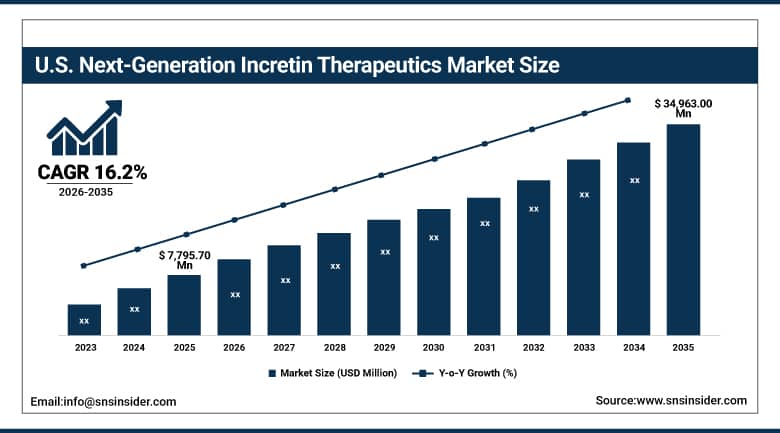
The U.S. Next-Generation Incretin Therapeutics Market was valued at approximately USD 7,795.70 Million in 2025 and is projected to reach approximately USD 34,963.00 Million by 2035, registering a CAGR of approximately 16.2% from 2026 to 2035.
Demand across the United States continued to be shaped by high obesity and type 2 diabetes prevalence, broad specialty and primary care prescribing activity, and an advanced biopharmaceutical innovation ecosystem concentrated among the world's leading incretin drug developers. Rising direct-to-consumer telehealth access and expanding employer and payer coverage for weight-management indications continued reinforcing the country's position as both the largest and most commercially advanced market for next-generation incretin therapeutics. Ongoing reimbursement discussions, manufacturing capacity expansion, and ongoing head-to-head clinical trials among competing molecules added further layers of sustained domestic demand extending well beyond early adopter specialty clinics into mainstream primary care practice nationwide.
In 2025, Eli Lilly reported positive Phase III ACHIEVE trial results for orforglipron, its once-daily oral non-peptide GLP-1 receptor agonist, positioning the candidate as a leading needle-free alternative for type 2 diabetes and obesity treatment across the United States ahead of anticipated regulatory filing.
Next-Generation Incretin Therapeutics Market Segment Analysis
-
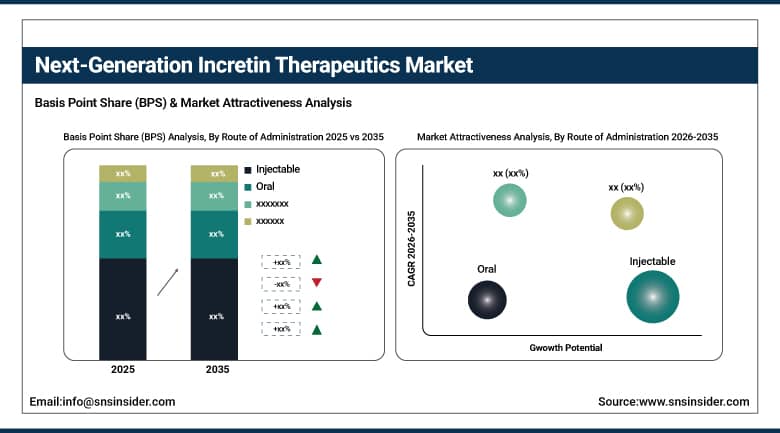
By Route of Administration, Injectable segment dominated the market in 2025 with 71.40% share; Oral segment is the fastest growing segment, registering a CAGR of 18.4% from 2026 to 2035.
-
By Drug Class, Dual GIP/GLP-1 Receptor Agonists segment dominated the Next-Generation Incretin Therapeutics Market in 2025 with 52.60% share; Triple GLP-1/GIP/Glucagon Receptor Agonists segment is the fastest growing segment, registering a CAGR of 20.1% from 2026 to 2035.
-
By Indication, Obesity & Weight Management segment dominated the market in 2025 with 54.80% share; Cardiometabolic and Cardiovascular Risk Reduction segment is the fastest growing segment, registering a CAGR of 18.9% from 2026 to 2035.
-
By Distribution Channel, Retail Pharmacies segment dominated the market in 2025 with 46.70% share; Online/Specialty Pharmacies segment is the fastest growing segment, registering a CAGR of 19.2% from 2026 to 2035.
By Route of Administration, Injectable Formulations Dominate While Oral Therapies Grows Fastest
The Injectable segment accounted for the largest market share in 2025 because of the existing commercial footprint of once-weekly injectable dual-agonists which already had extensive regulatory approval and reimbursement coverage. The effectiveness and safety profile built up over years of usage in clinics have helped to increase the acceptance of injectables among physicians and patients despite the fact that there is a preference for needle-free options. Pen-based delivery systems already have an established manufacturing base.
The Oral segment is the fastest growing in the Next-Generation Incretin Therapeutics Market as pharmaceutical companies race to commercialize non-peptide, once-daily pill formulations that eliminate injection barriers and broaden patient acceptance among needle-averse populations. Positive late-stage trial results for leading oral candidates continue strengthening the near-term commercial outlook, with manufacturers investing heavily in oral formulation manufacturing capacity ahead of anticipated approvals expected to reshape prescribing patterns industry-wide.
By Drug Class, Dual Agonists Lead the Market While Triple Agonists Grows Fastest
The Dual GIP/GLP-1 Receptor Agonists dominated the Next-Generation Incretin Therapeutics Market in 2025 owing to the efficacy of drugs based on tirzepatide, which combine GIP and GLP-1 receptors in order to achieve better results in terms of weight loss and blood sugar regulation than previously available single mechanism agonists. Robust prescribing data, wide recognition among payers, and continuous label extension for the treatment of additional cardiometabolic conditions supported the efficacy of dual-agonist mechanisms. The well-established production process and logistics capabilities of key dual-agonist manufacturers also favored the market dominance of this segment.
The Triple GLP-1/GIP/Glucagon Receptor Agonists segment is the most rapidly expanding sub-segment within the Next Generation Incretin Therapies Market, based on the encouraging early stage clinical results for weight loss improvement through the inclusion of the glucagon receptor agonism pathway, which helps to increase energy expenditure along with appetite suppression. Late stage pipeline expansion for triple receptor agonists from major pharmaceutical firms and innovative biotechs continues to drive development of this promising drug class for the next major efficacy milestone.
By Indication, Obesity and Weight Management Dominates While Cardiometabolic Risk Reduction Grows Fastest-Growing
In 2025, the Obesity & Weight Management segment accounted for the biggest share of Next-Generation Incretin Therapeutics market, owing to rising demand from patients and doctors alike for medication that could help them lose weight, after a series of clinical trials proved their effectiveness in producing significant and lasting weight loss. With increasing insurance coverage for weight management indications, along with social acceptance of obesity therapy, the prescriptions were on the rise.
The Cardiometabolic and Cardiovascular Risk Reduction segment is the fastest growing in the Next-Generation Incretin Therapeutics Market, supported by emerging outcomes data demonstrating meaningful reductions in major adverse cardiovascular events among patients treated with next-generation incretin therapies. Growing physician interest in prescribing these agents specifically for cardiovascular risk reduction, independent of diabetes or obesity status, continues expanding the addressable patient population as clinical guidelines gradually incorporate this emerging indication.
By Distribution Channel, Retail Pharmacies Dominate While Online and Specialty Pharmacies Grows Fastest
The Retail Pharmacies segment was the leader in the Next Generation Incretin Therapeutics Market in 2025 owing to the large base of patients who had chronic illnesses that required frequent access to prescriptions in a convenient manner through the retail pharmacy channel. The accessibility of the retail pharmacies channel coupled with the familiarity of the patients with the use of pen devices made the channel dominant.
The Online/Specialty Pharmacies segment is the fastest growing in the Next-Generation Incretin Therapeutics Market as telehealth-driven prescribing models and direct-to-consumer digital platforms continue expanding patient access to next-generation incretin therapies outside traditional brick-and-mortar settings. Growing manufacturer investment in direct-to-patient fulfillment programs, combined with rising consumer comfort with digital healthcare platforms, continues accelerating online and specialty pharmacy channel growth industry-wide.
Regional Analysis
|
Region |
Major Country |
Share within Region, 2025 (%) |
|
North America |
United States |
88.00% |
|
Europe |
Germany |
24.20% |
|
Asia Pacific |
China |
30.80% |
|
Middle East and Africa |
UAE |
24.60% |
|
Latin America |
Brazil |
32.90% |
North America Next-Generation Incretin Therapeutics Market Insights
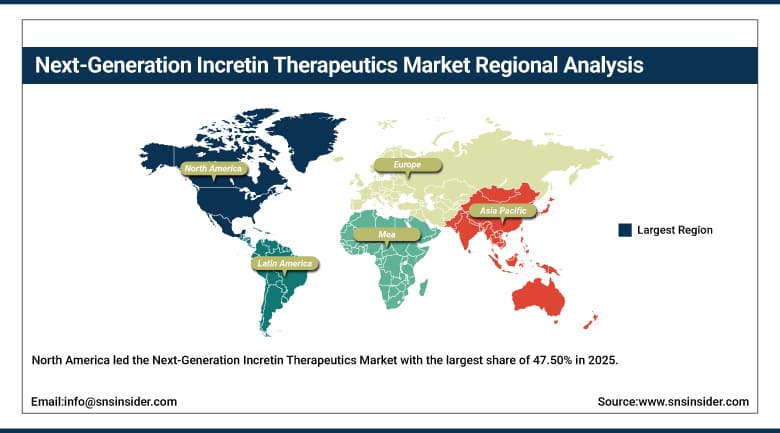
North America led the Next-Generation Incretin Therapeutics Market with the largest share of 47.50% in 2025. High obesity and type 2 diabetes prevalence, an advanced biopharmaceutical innovation ecosystem, and rapid adoption of premium-priced dual and triple-agonist therapies continued reinforcing this dominant regional position. Strong direct-to-consumer telehealth infrastructure, broad specialty and primary care prescribing capacity, and the concentration of leading global drug developers headquartered in the region further supported sustained demand throughout the current forecast period.
The United States accounted for the major share of regional revenue, anchored by its large diagnosed and undiagnosed obese population, extensive specialty pharmacy and telehealth prescribing infrastructure, and expanding employer and payer coverage for weight-management indications. Canada added further regional demand through steady public healthcare system engagement with emerging cardiometabolic therapies, and that combined strength kept the continent the largest addressable market for next-generation incretin therapeutics through the forecast period.
Get Customized Report as Per Your Business Requirement - Enquiry Now
Europe Next-Generation Incretin Therapeutics Market Insights
Europe represented a considerable proportion of the world revenue, owing to the fact that the continent had well-developed public healthcare systems, well-established facilities for conducting clinical trials, and increasing awareness among national health services about obesity as a chronic condition requiring pharmacologic treatment. Engagement with the European Medicines Agency and piloting of reimbursement programs in major markets ensured steady demand for advanced incretins.
Germany led demand of European revenue, supported by its strong pharmaceutical manufacturing base and relatively favorable statutory health insurance coverage for metabolic disease treatment. The United Kingdom and France contributed substantial additional demand through National Health Service and public hospital system engagement with emerging obesity therapeutics, and continued European clinical trial activity should keep regional demand climbing through the forecast period.
Asia Pacific Next-Generation Incretin Therapeutics Market Insights
Asia Pacific is advancing at the fastest pace among all regions tracked in this report, growing at a CAGR of 20.60% through 2035, driven by rapidly rising obesity and type 2 diabetes prevalence, expanding healthcare expenditure, and growing regulatory approval activity across the region's largest pharmaceutical markets. Rising domestic biotech innovation capacity and improving patient access to premium metabolic therapies kept the region's growth trajectory well ahead of every other region tracked in this report.
China dominated the regional revenue, supported by a large and rapidly growing domestic incretin drug development pipeline alongside expanding patient access through both public and private healthcare channels. Japan and India contributed meaningful additional demand, with India's large diabetic patient population and Japan's advanced healthcare infrastructure both reinforcing the region's position as the fastest-growing market tracked in this report.
MEA and Latin America Next-Generation Incretin Therapeutics Market Insights
The Middle East and Africa and Latin America both showed steady growth, driven by rising obesity and diabetes prevalence, growing government focus on metabolic disease management, and increasing private healthcare investment across both areas. As these markets continued expanding modern healthcare infrastructure, next-generation incretin therapies offered a genuinely effective way to address rapidly rising cardiometabolic disease burden beyond conventional pharmacological management alone.
The UAE dominated Middle Eastern and African demand with highest share of revenue in the region, backed up by the advanced healthcare facilities of the region along with the investments made by the region in accessing the best metabolic disease treatments. Another key demand driver in the region was Saudi Arabia and its healthcare facility developments. Meanwhile, Brazil in Latin America dominated regional revenue with about 32.90% of revenue share.
Market Dynamics
Growth Drivers: Rising Obesity Burden and Superior Efficacy of Multi-Pathway Agonists
The industry is driven by the rising global prevalence of obesity and type 2 diabetes, growing patient and physician demand for pharmacological weight-loss solutions, and the demonstrated superior efficacy of dual and triple-pathway agonist mechanisms compared with earlier single-mechanism GLP-1 therapies. As millions of patients worldwide continue seeking effective, sustained weight reduction alongside improved glycemic control, the clinical superiority of next-generation multi-pathway molecules continues driving rapid prescription volume growth across both specialty and primary care settings.
Growing cardiometabolic and cardiovascular outcomes data continues reinforcing this driver, as emerging evidence demonstrating reduced major adverse cardiovascular events expands the clinical rationale for prescribing these agents beyond diabetes and obesity alone. Rising pharmaceutical investment in oral, non-peptide formulations continues improving patient acceptance among needle-averse populations, and that combination of clinical superiority and improving delivery convenience is exactly what keeps prescriber and patient demand climbing at such a sustained, steady pace.
Restraints: High Treatment Costs and Reimbursement Access Barriers
The substantial cost of next-generation incretin therapies continues posing a genuine restraint on faster market-wide expansion, particularly in healthcare systems and among patient populations without comprehensive weight-management coverage. That cost profile has kept broader adoption concentrated among well-insured patient populations in developed markets, limiting near-term penetration across cost-constrained healthcare systems and uninsured or underinsured patient segments.
Ongoing manufacturing capacity constraints continue posing a further restraint, as surging global demand for leading dual-agonist therapies has repeatedly outpaced production capacity, resulting in periodic supply shortages that limit patient access even where reimbursement coverage exists. That capacity bottleneck keeps some prescribers reluctant to initiate new patients on constrained therapies despite strong underlying clinical demand.
Opportunities: Oral Formulation Commercialization and Emerging Market Expansion
Successful commercialization of oral, non-peptide GLP-1 formulations represents a genuinely significant opportunity, as needle-free administration is expected to dramatically expand the addressable patient population among needle-averse individuals currently avoiding injectable treatment. Vendors positioned early with strong late-stage oral candidate pipelines stand to capture meaningful share as these formulations gain regulatory approval and broad commercial availability across major markets.
Expanding healthcare access and rising obesity prevalence across emerging markets offers a second substantial opportunity, as government healthcare investment programs across Asia Pacific, Latin America, and the Middle East continue creating fresh demand for accessible metabolic disease treatment. Vendors with proven, cost-competitive manufacturing capability stand to capture meaningful share as developing healthcare systems build out modern cardiometabolic treatment capacity from a comparatively low existing base.
Recent Developments:
-
2025: Pfizer completed its acquisition of Metsera, gaining access to a pipeline of next-generation obesity and cardiometabolic incretin candidates, including a once-monthly injectable GLP-1 therapy designated MET-097i.
-
2026: Zealand Pharma continued progressing its next-generation peptide pipeline targeting obesity and metabolic disease, including petrelintide, an amylin analog being developed with Roche.
-
2026: Structure Therapeutics reported mid-stage clinical results for aleniglipron, its investigational oral GLP-1 receptor agonist, showing sustained weight loss without efficacy plateau through 44 weeks of treatment.
Next-Generation Incretin Therapeutics Market key players are:
-
Novo Nordisk A/S
-
Eli Lilly and Company
-
Pfizer Inc.
-
Boehringer Ingelheim International GmbH
-
AstraZeneca plc
-
Sanofi S.A.
-
Merck & Co., Inc.
-
Takeda Pharmaceutical Company Limited
-
Zealand Pharma A/S
-
Structure Therapeutics Inc.
-
Viking Therapeutics, Inc.
-
Amgen Inc.
-
Roche Holding AG
-
Hanmi Pharmaceutical Co., Ltd.
-
Innovent Biologics, Inc.
-
Sciwind Biosciences Co., Ltd.
-
Jiangsu Hengrui Pharmaceuticals Co., Ltd.
-
Terns Pharmaceuticals, Inc.
-
Rani Therapeutics Holdings, Inc.
-
Kailera Therapeutics, Inc.
Next-Generation Incretin Therapeutics Market Report Scope:
| Report Attributes | Details |
|---|---|
| Market Size in 2025 | USD 18,650.00 Million |
| Market Size by 2035 | USD 88,140.00 Million |
| CAGR | CAGR of 16.8% From 2026 to 2035 |
| Base Year | 2025 |
| Forecast Period | 2026-2035 |
| Historical Data | 2022-2024 |
| Report Scope & Coverage | Market Size, Segments Analysis, Competitive Landscape, Regional Analysis, DROC & SWOT Analysis, Forecast Outlook |
| Key Segments | • By Drug Class (Dual GIP/GLP-1 Receptor Agonists, Triple GLP-1/GIP/Glucagon Receptor Agonists, Next-Generation GLP-1 Receptor Agonists, Amylin/GLP-1 Co-Agonists, Others) • By Route of Administration (Injectable, Oral) • By Indication (Obesity & Weight Management, Type 2 Diabetes, Cardiometabolic and Cardiovascular Risk Reduction, Others) • By Distribution Channel (Hospital Pharmacies, Retail Pharmacies, Online/Specialty Pharmacies) |
| Regional Analysis/Coverage | North America (US, Canada), Europe (Germany, UK, France, Italy, Spain, Russia, Poland, Rest of Europe), Asia Pacific (China, India, Japan, South Korea, Australia, ASEAN Countries, Rest of Asia Pacific), Middle East & Africa (UAE, Saudi Arabia, Qatar, South Africa, Rest of Middle East & Africa), Latin America (Brazil, Argentina, Mexico, Colombia, Rest of Latin America). |
| Company Profiles | Novo Nordisk A/S, Eli Lilly and Company, Pfizer Inc., Boehringer Ingelheim International GmbH, AstraZeneca plc, Sanofi S.A., Merck & Co., Inc., Takeda Pharmaceutical Company Limited, Zealand Pharma A/S, Structure Therapeutics Inc., Viking Therapeutics, Inc., Amgen Inc., Roche Holding AG, Hanmi Pharmaceutical Co., Ltd., Innovent Biologics, Inc., Sciwind Biosciences Co., Ltd., Jiangsu Hengrui Pharmaceuticals Co., Ltd., Terns Pharmaceuticals, Inc., Rani Therapeutics Holdings, Inc., Kailera Therapeutics, Inc. |

Frequently Asked Questions
Key players include Novo Nordisk A/S, Eli Lilly and Company, Pfizer Inc., Boehringer Ingelheim International GmbH, and AstraZeneca plc, among others.
Key opportunities include expanding obesity and diabetes indications, development of oral and long-acting therapies, improved efficacy and tolerability, combination treatments, and broader patient adoption.
The major growth factor is rising obesity and type 2 diabetes prevalence, superior efficacy of dual and triple-pathway agonist mechanisms, and expanding cardiometabolic outcomes data.
The Dual GIP/GLP-1 Receptor Agonists segment dominated the Next-Generation Incretin Therapeutics Market by drug class, representing the largest share of revenue in 2025.
North America dominated the Next-Generation Incretin Therapeutics Market in 2025, holding an estimated 47.50% share of total global market revenue.
