
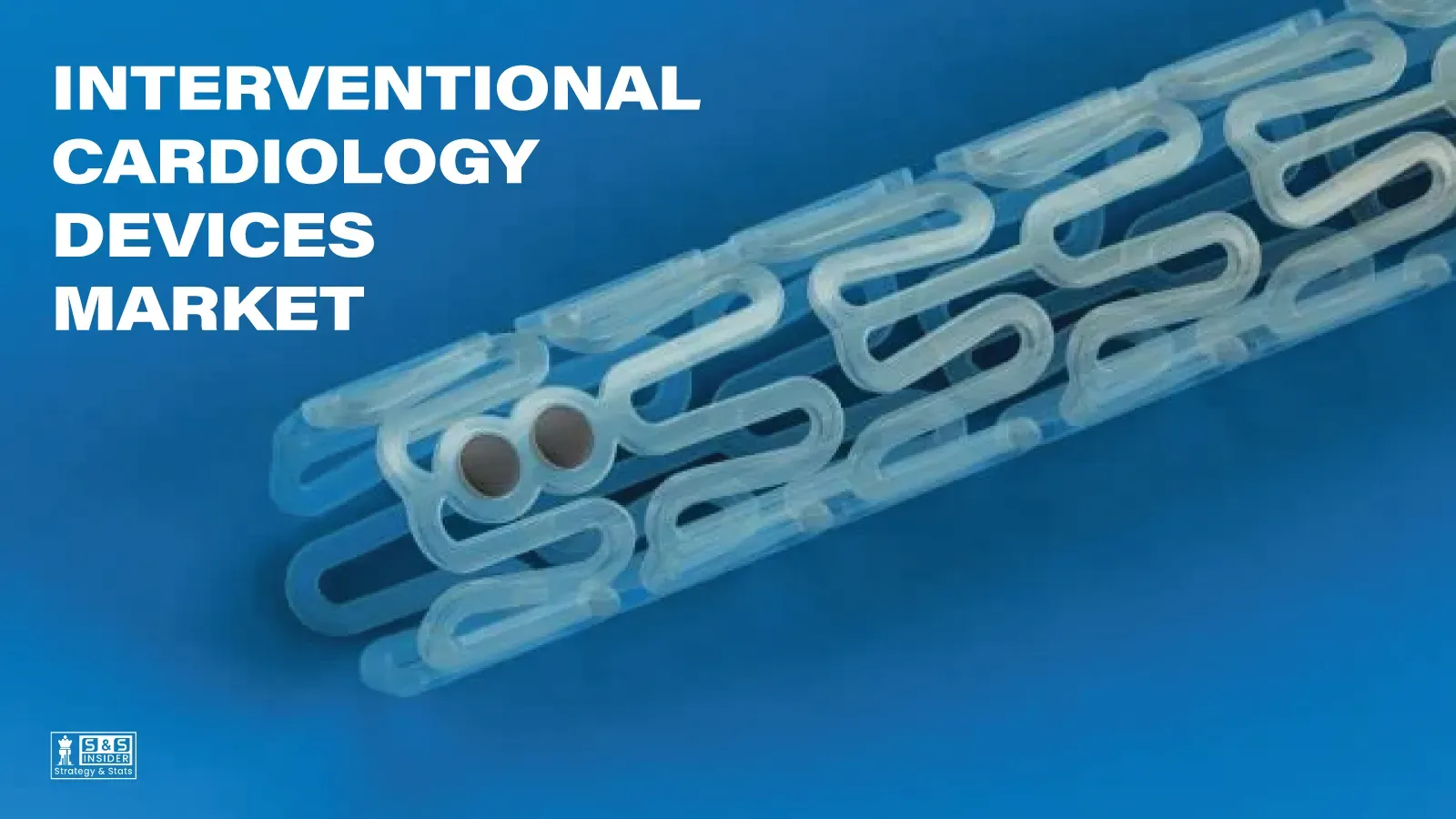
Cardiovascular diseases continue to be the major cause of death in the world, hence resulting in an increase in the need for advanced medical treatment equipment that will ensure better patient results as well as faster healing times. Interventional cardiology equipment has revolutionized the way coronary artery diseases, structural heart disease, and peripheral vascular diseases are being treated using minimally invasive techniques. Devices such as coronary stents, balloons, guidewires, atherectomy devices, and structural heart devices enable doctors to treat cardiovascular disease more efficiently and effectively than traditional heart surgery.
As per SNS Insider, the Interventional Cardiology Devices Market was worth USD 23.71 billion in 2025 and is expected to reach USD 45.27 billion in 2035, indicating a CAGR of 6.68% from 2026-2035. There has been steady growth in the market due to the rising burden of cardiovascular diseases, increase in the aging population, prevalence of diabetes and obesity and inclination towards minimally invasive procedures. There have been many advancements in drug-eluting stents, structural heart devices, image-guided interventions and robotic-assisted interventions.
Gain Actionable Intelligence on the Interventional Cardiology Devices Market - Request a Sample Report
Top 3 Interventional Cardiology Devices Companies
1. Boston Scientific Corporation
 The Boston Scientific Corporation is one of the key manufacturers of interventional cardiology devices worldwide, providing a wide range of coronary and peripheral stents, balloon catheters, atherectomy devices, embolic protection solutions and structural heart treatments. The corporation's solutions have been successfully applied in many hospitals and cardiac catheterization labs in order to enhance minimally invasive cardiovascular procedures. In February 2025, Boston Scientific released the new SYNERGY XD drug-eluting stent in Europe as well as expanded the portfolio of structural heart treatments, including TAVR and MitraClip solutions in the Asia-Pacific region.
2. Medtronic plc
 Medtronic plc is one of the most influential companies in the field of cardiovascular technologies, manufacturing coronary and peripheral stents, guidewires, catheter systems, drug-coated balloons and heart valves. The company is known for its innovative products that aim to increase procedural accuracy and patient safety in addition to enabling minimally invasive procedures in cardiovascular practice. In March 2025, Medtronic released its IN.PACT Admiral drug-coated balloon in the United States and developed robotic-assisted PCI systems in Europe and Latin America.
3. Abbott Laboratories
 Abbott Laboratories has emerged as a prominent innovator in interventional cardiology with a diverse range of products such as drug eluting stents, vascular closure products, imaging modalities and structural heart devices. Abbott's product line has seen wide-ranging application in the management of coronary artery disease and complicated cardiovascular disorders with the assistance of diagnostic and therapeutic technologies for the doctors. In January 2025, Abbott got an FDA approval for the XIENCE Skypoint drug eluting stent for the management of complex coronary lesions. Abbott also made new coronary and peripheral vascular devices available in emerging markets.
What is Driving the Future of the Interventional Cardiology Devices Market?
The increasing trend of cardiovascular diseases has been identified as the key reason behind the growth in the market of interventional cardiology devices. The World Health Organization estimates that cardiovascular diseases account for 17.9 million deaths annually, demonstrating the high demand for proper intervention solutions. With aging population globally, there has been an increasing trend of coronary artery disease, valvular heart disease, and peripheral artery disease, leading to a higher demand for minimally invasive procedures such as PCI, TAVR, and transcatheter heart procedure.
Technological innovation is accelerating market development through advanced drug-eluting stents, biodegradable scaffolds, embolic protection devices, intravascular imaging, and robotic-assisted procedures. Integration of artificial intelligence, real-time imaging, and precision-guided navigation is enabling physicians to perform increasingly complex cardiovascular interventions with greater safety, improved procedural accuracy, and better long-term patient outcomes.
In terms of product types, coronary stents continue to be the largest in the segment owing to their broad usage in percutaneous coronary interventions, whereas structural heart devices are experiencing the highest growth because transcatheter valve replacement therapies are being increasingly accepted among elderly population. The growing usage of biodegradable technologies and image-guided procedures will help achieve better clinical results.
The Road Ahead
The Interventional Cardiology Devices Market in the future is going to be highly influenced by the ongoing technological innovations, rising trends of adopting minimally invasive procedures in the treatment of cardiovascular disease, and availability of better healthcare facilities around the world. Artificial intelligence, robotics assistance in interventions, advanced imaging modalities, and resorbable devices will play a significant role in revolutionizing the way of treating cardiovascular disorders.
Companies that have been making investments in the development of new technologies in terms of structural heart treatment methods, drug delivery devices, guided intervention technology, digital healthcare integration, and healthcare market segments will be well poised for future success. Since cardiovascular diseases remain one of the biggest healthcare challenges across the globe, the interventional cardiology devices market will experience consistent growth in the future.



